
5 Sensory-Friendly Halloween Activities for Your Child with Autism 🎃👻
Halloween is a holiday filled with excitement—bright decorations, spooky sounds, costumes, and candy galore. But for many families raising a child with autism, the sensory overload can make October 31st feel more overwhelming than fun. The good news is that you don’t have to skip the holiday. With a little creativity and planning, you can build traditions that honor the spirit of Halloween while keeping your child calm, comfortable, and happy.
Here are five sensory-friendly Halloween activities that your family can enjoy this year.
- Pumpkin Decorating Without the Mess 🎃
Carving pumpkins can be messy, slimy, and even stressful for children with sensory sensitivities. But that doesn’t mean you have to skip this classic Halloween tradition. Instead, try pumpkin decorating in ways that reduce sensory overload:
- Sticker kits – Pre-made Halloween stickers let kids create silly or spooky faces without the goo.
- Paint and markers – Washable paints or paint pens give kids a chance to be artistic while avoiding pumpkin guts.
- Foam pieces and googly eyes – These add fun texture and make each pumpkin unique.
You can even use mini pumpkins for shorter attention spans. Set up a quiet decorating station at home with calming music in the background.
👉 Parent Tip: Keep wipes and a damp cloth nearby for quick clean-ups, and let your child wear an apron or oversized T-shirt to protect clothing. This reduces stress about getting messy.
- Sensory Bin Treasure Hunt 👻
Halloween doesn’t have to mean trick-or-treating door to door if that feels overwhelming. A Halloween-themed sensory bin can provide the same sense of discovery in a safe, controlled way.
Here’s how to set it up:
- Fill a large bin with uncooked rice, beans, or shredded paper in fall colors (orange, black, purple).
- Hide small themed items like plastic spiders, bats, or glow-in-the-dark ghosts.
- Add a few wrapped pieces of candy or small toys for your child to “discover.”
This activity lets your child explore textures on their own terms. If they don’t enjoy touching certain fillers, provide tools like scoops, spoons, or tongs so they can still join in the fun.
👉 Parent Tip: Start with fillers your child already tolerates (like dry pasta or cotton balls) before introducing new textures. Gradual exposure helps avoid meltdowns.
- Costume Dress-Up at Home 🎃
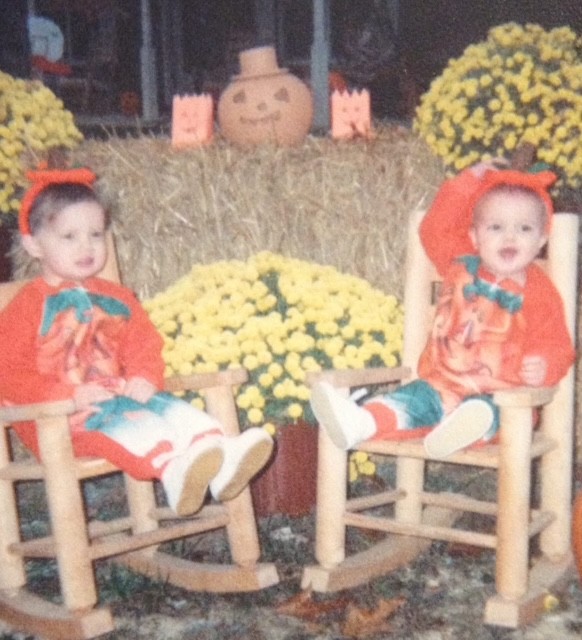
For many children with autism, Halloween costumes are a major source of stress. Itchy fabrics, tight masks, or unexpected textures can make a costume feel unbearable. Instead of forcing the full trick-or-treat experience, make dress-up a fun game at home:
- Try soft, comfortable costumes (think pajama-like fabric).
- Start with small accessories—like a witch hat, superhero cape, or animal ears—and build up slowly.
- Let your child choose their own costume ideas to give them a sense of control.
You can even host a family costume parade in your living room, complete with music and photos.
👉 Parent Tip: Wash new costumes before wearing to soften fabric and cut out itchy tags ahead of time. Practice wearing the costume in short sessions leading up to Halloween night.
- Halloween Movie Night 👻
Sometimes, the best way to celebrate is to keep things simple. A Halloween-themed movie night can be just as magical as trick-or-treating—without the crowds or chaos.
Some sensory-friendly options include:
- It’s the Great Pumpkin, Charlie Brown (gentle humor and nostalgia)
- Room on the Broom (short, sweet, and perfect for younger kids)
- Casper (friendly ghost fun)
To make it extra special, prepare a themed snack station. Offer pumpkin-shaped cookies, popcorn with orange sprinkles, or apple slices with caramel dip. Keep lighting low, set up cozy blankets, and let your child know they can take breaks whenever they need.
👉 Parent Tip: Use subtitles so your child can follow along if loud sounds feel overwhelming, and have noise-canceling headphones ready if the movie volume gets too intense.
- Trick-or-Treat at Home 🎃👻
If traditional trick-or-treating feels overwhelming, create a trick-or-treat adventure right in your home.
Here are a few ways to do it:
- Set up treat stations in different rooms, each with a small bowl of candy or toys.
- Let siblings, parents, or grandparents dress up as “neighbors” handing out treats.
- Offer a mix of edible and non-edible treats (like glow sticks, stickers, or small puzzles).
This activity gives your child the joy of knocking on doors and saying “trick-or-treat” without the stress of noisy streets, flashing decorations, or unexpected surprises.
👉 Parent Tip: Use familiar phrases your child is comfortable with—if “trick-or-treat” feels hard, a smile or a wave works just as well. The goal is joy, not perfection.
Final Thoughts 🎃
Halloween doesn’t have to be loud, crowded, or scary to be fun. By adapting traditions, you can create a sensory-friendly holiday that feels safe, enjoyable, and memorable for your child. Whether it’s painting pumpkins, watching a cozy movie, or setting up a treat station at home, these activities allow your child to participate in the season’s magic—on their own terms.
Every child with autism is unique, so what works for one may not work for another. The key is flexibility, creativity, and a willingness to embrace new traditions. In the end, the best Halloween memories come not from costumes or candy, but from moments of joy shared together.
Happy Halloween from our family to yours 🎃